“Because of Baby Ubuntu. I am not just a mother who worries. I am a mother who creates, who plays, and who finally, truly, smiles.”
Before Amina joined the Baby Ubuntu programme, she describes her world as “small, lonely, and silent.” From rural Uganda, Amina was raising her two-year-old daughter, Lucy, alone – carrying questions she couldn’t answer and fears she couldn’t share. She didn’t understand why Lucy wasn’t developing at the same rate as other children. “When her body would shake, I didn’t know why. When her head couldn’t stay up, I felt helpless,” Amina says.
“I felt like I was the only mother on earth carrying such a heavy burden. I remember sitting in the dark of my home, convinced that God had punished me.”
In Uganda, disability is often misunderstood. There are perceptions that having a child with a disability is a curse or punishment for wrongdoing. Many families face stigma and isolation. Like others, Amina found herself retreating from the world, hiding her child – and her struggles.
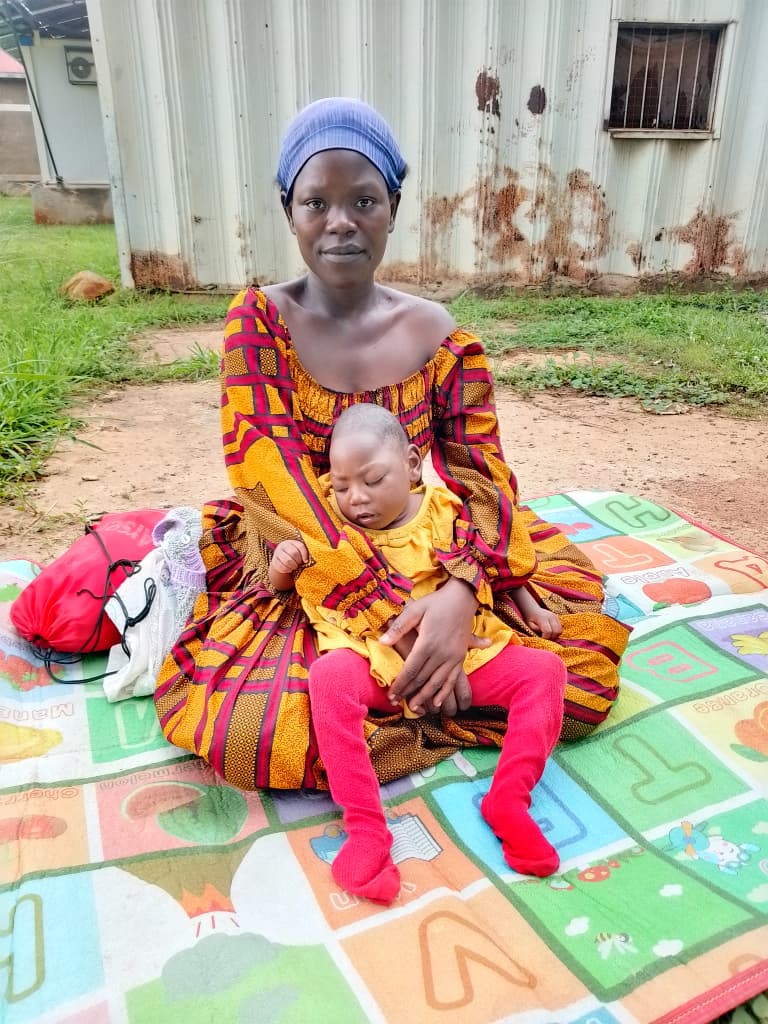
Then, everything shifted. Walking into a Baby Ubuntu parent session for the first time was a turning point for Amina and Lucy. “It was the first time I felt the sun on my face in years,” she says. “The warmth and hospitality I received… it was like medicine.”
Baby Ubuntu is a programme of early care and support that aims to improve quality of life for children with moderate to severe neurodisabilities and their caregivers. It provides emotional and practical support, equipping caregivers with the knowledge and tools needed to care for their child. Through the programme, Amina also received something she had never had before: clear answers.
“When they told me that her shaking was seizures, I didn’t know what to say,” she recalls. Alongside understanding came access – free medication and support to reach services. “Where else do you find a place that teaches you, counsels you, provides the treatment, and then gives you the means to get there?” she asks. The programme also focusses on caregiver wellbeing and connection. For Amina, joining Baby Ubuntu meant no longer being alone.
“Other mothers now tell me I look joyful,” she says. “This is the place that tickles my smile.”
Through Baby Ubuntu, she began to see what was possible – not in a distant future, but in her daily life. “Baby Ubuntu didn’t just give me advice, they gave me the tools to build a future for Lucy using the world around us”.
Previously, Lucy had struggled to hold up her head. In the sessions, Amina learned simple, practical techniques using materials she already had at home. “I remember the struggle of her neck, how it would just fall to the sides. They taught me to use my own clothes, tucked into a pair of trousers to support her chest, and to sit in front of her to sing and clap.”
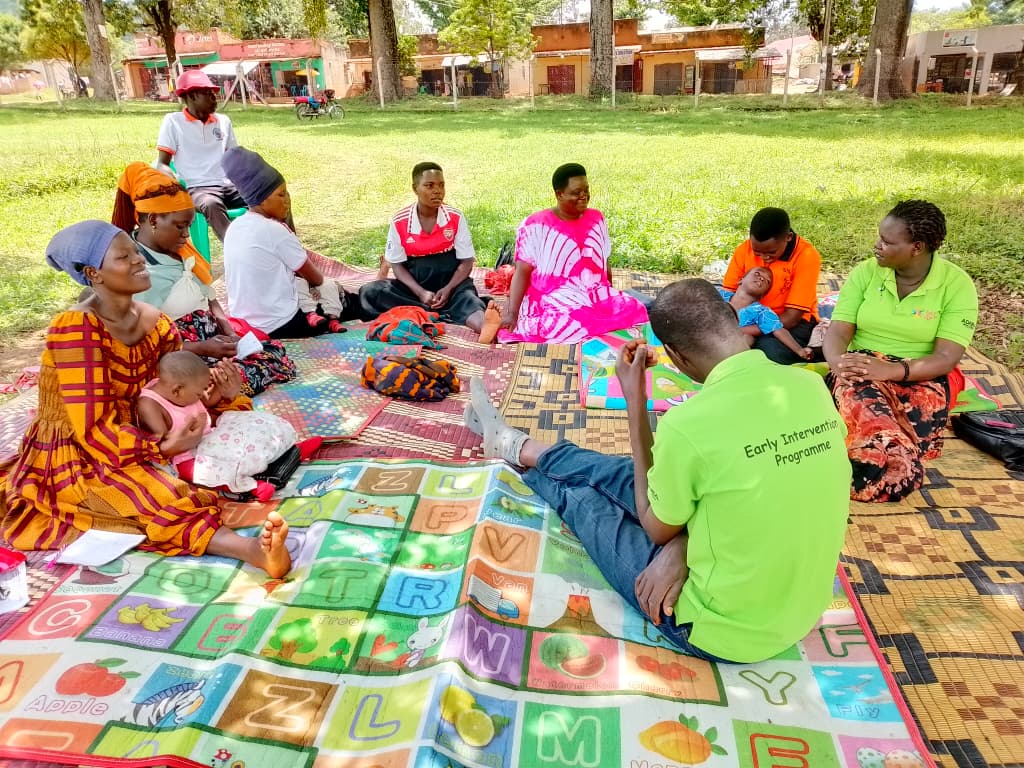
What once felt clinical and overwhelming became something different – something active, creative and joyful. “It wasn’t a medical clinic anymore,” she says. “It was a performance.” Over time, Lucy’s strength began to grow. Now, she can lift her head on her own and is improving every day. “She’s not perfect, but she is stronger.”
Play, too, became a powerful tool for connection and development – using items from around the home. “We learned to play with what we have. Who knew that jackfruit peels, maize cobs, and empty water bottles filled with beans could be the bridge to my daughter’s mind?” she says. Now, when she shakes the bottle and calls her daughter’s name, Lucy responds. “She is there with me,” Amina says.
Feeding difficulties are not uncommon in children with neurodisabilites, who face a much higher risk of malnutrition. Adara’s Baby Ubuntu nutrition supplement trial is designed to address this. Lucy received Small Quantity Lipid-Based Nutrient Supplements (SQ-LNS) – nutrient dense sachets providing essential vitamins, minerals, protein and healthy fats – helping to strengthen her nutrition during a critical stage of development. Over the 12-month trial, families will receive regular follow ups, monthly redistributions, close monitoring and caregiver counselling.
It’s still early, but the results have already been profound After her initial assessment, Lucy weighed 8.5 kilograms. Just one month after receiving nutritional support, she weighed 9 kilograms – an incredible milestone. For Amina – and for those supporting her – this progress was extraordinary. During a recent assessment, Lucy’s smile lit up the room.
“My girl can now sit. Watching her sit up feels like watching a miracle.”
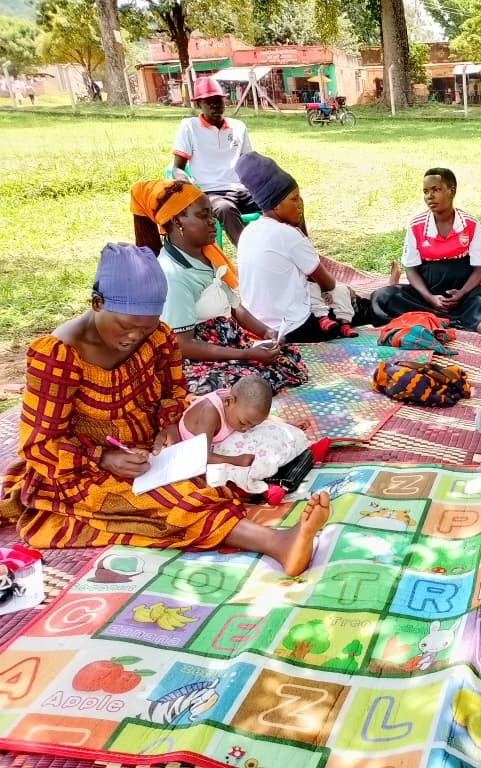
Today, Amina attends Baby Ubuntu sessions with her own notebook and pen – ready to learn, to ask questions, and to support others. Her message to other parents is clear: “To the mothers who are still hiding their children – all I can say is, stop. Our children are human beings who deserve respect and care just like any other.”
As a single mother, Amina has walked a difficult road. But through Baby Ubuntu, she says her understanding of love has deepened. “I have learned that love is an action. It is in the playing, the feeding, and the refusing to stay silent about our children.
The future has been reimagined for Lucy and Amina – and the transformation has been profound.
“Because of Baby Ubuntu. I am not just a mother who worries. I am a mother who creates, who plays, and who finally, truly, smiles.”