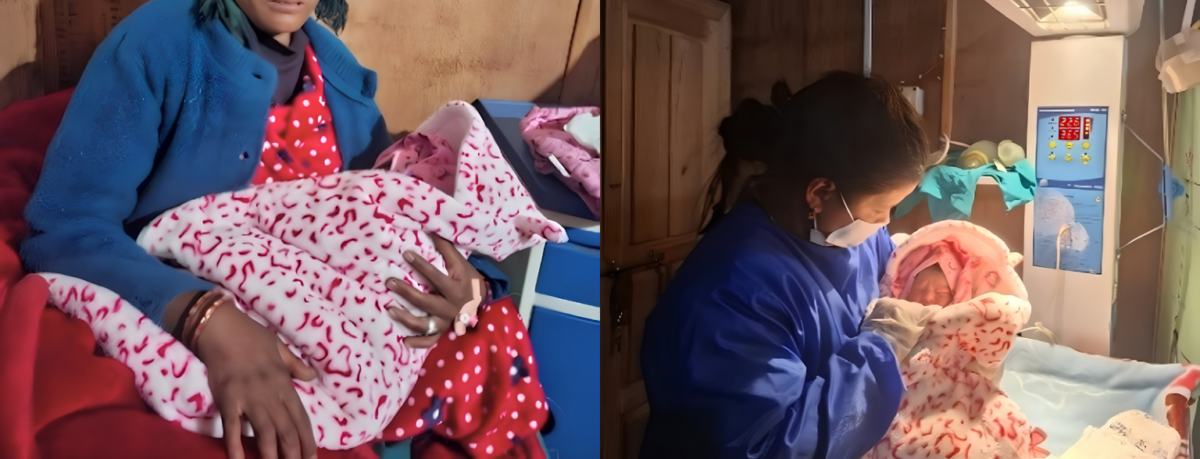
When 29-year-old Manisha became pregnant with her second child, she carried memories of a difficult first birth.
Living in Dharapori, a remote village in Humla, Nepal Manisha had previously delivered her first baby prematurely at home and nearly lost her life. As a result, she was worried that similar challenges might arise during her second pregnancy.
This time, however, she had support. Throughout her pregnancy, a Female Community Health Volunteer (FCHV) regularly visited Manisha at home. She encouraged Manisha and her family to attend antenatal check-ups, eat nutritious food, recognise danger signs during pregnancy and plan for a health facility delivery.
The encouragement made a difference. Manisha attended Adara-supported Chauganfaya Birthing Centre and completed all eight recommended antenatal care visits. Through regular check-ups and support from health workers, she gained confidence in seeking care throughout her pregnancy.
That decision proved important. After experiencing bleeding and abdominal pain at home, Manisha knew going to the Birthing Centre was her safest option.
Health workers immediately admitted her and began monitoring her condition.
After several hours of labour, Manisha gave birth to a premature baby boy weighing just 2.1 kilograms. She named him Sonam.
Shortly after delivery, Manisha developed severe postpartum haemorrhage. Health workers quickly initiated emergency treatment and closely monitored her condition. Their timely care stabilised Manisha and helped prevent further complications.
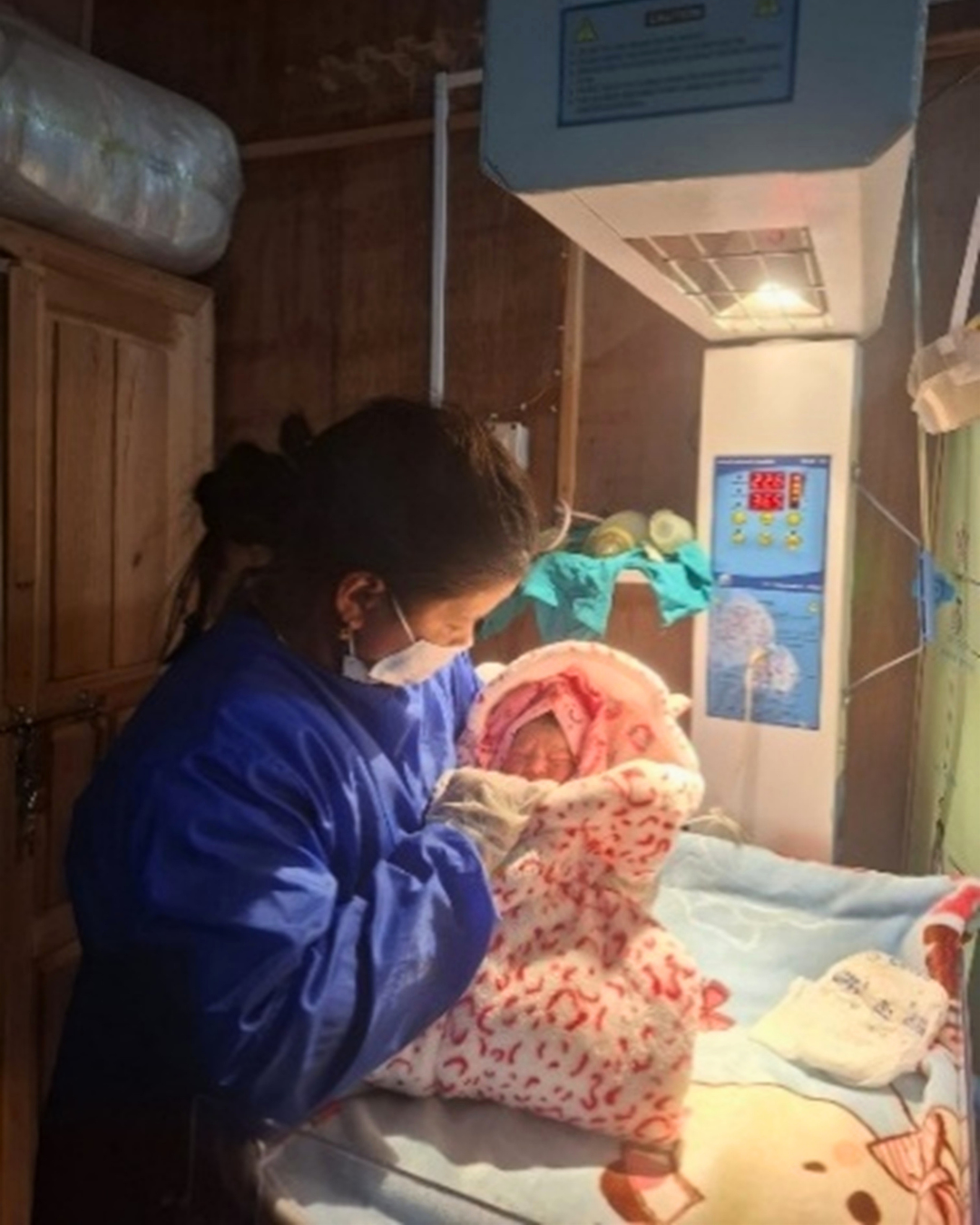
Because Sonam was born prematurely and with a low birth weight, he needed extra support in his first days of life. Health workers introduced Kangaroo Mother Care (KMC), a simple but highly effective method that uses skin-to-skin contact to help small babies stay warm, grow and thrive. They also provided counselling on newborn care and breastfeeding. After 24 hours of observation, Manisha and Sonam were able to return home.
Through postnatal home visits, health workers continued to monitor both mother and baby, reinforce health messages and support the family as they cared for their new baby. Today, both Manisha and baby Sonam are healthy and doing well. Sonam is growing stronger and bigger every day.
Their story highlights the importance of continuity of care for mothers and newborns, from antenatal check-ups and skilled birth attendance to postnatal follow-up.
The support Manisha received throughout her pregnancy helped identify risks early, encouraged her to deliver in a health facility and ensured both she and Sonam received the care they needed when complications arose.
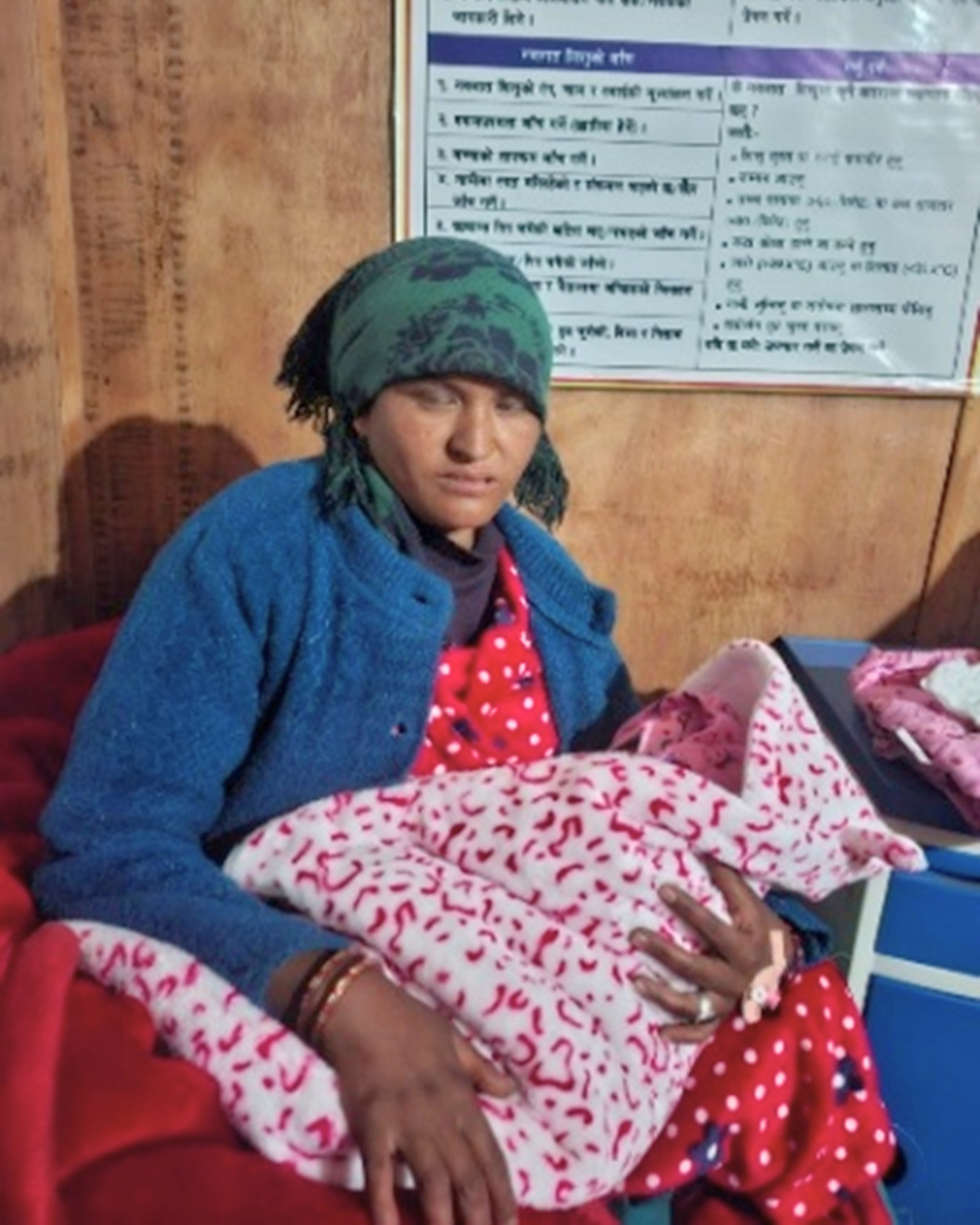
For families living in remote communities like Dharapori, access to quality maternal and newborn healthcare can make all the difference, helping mothers and babies get the best possible start.