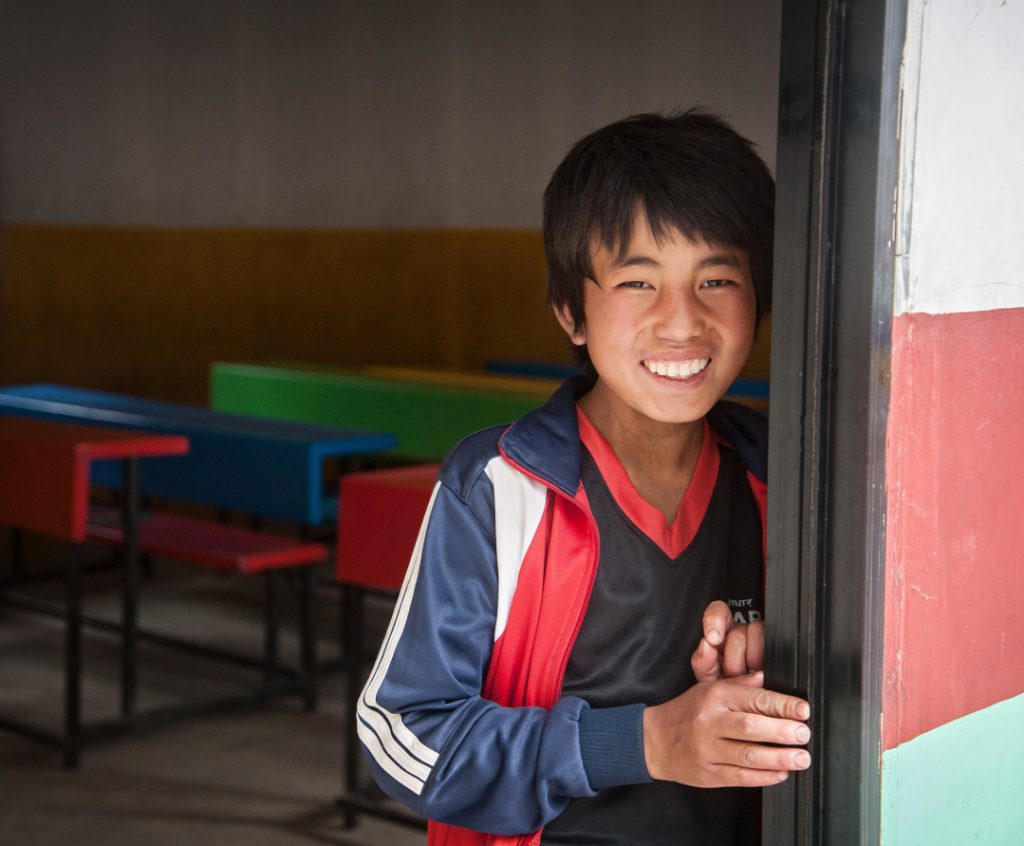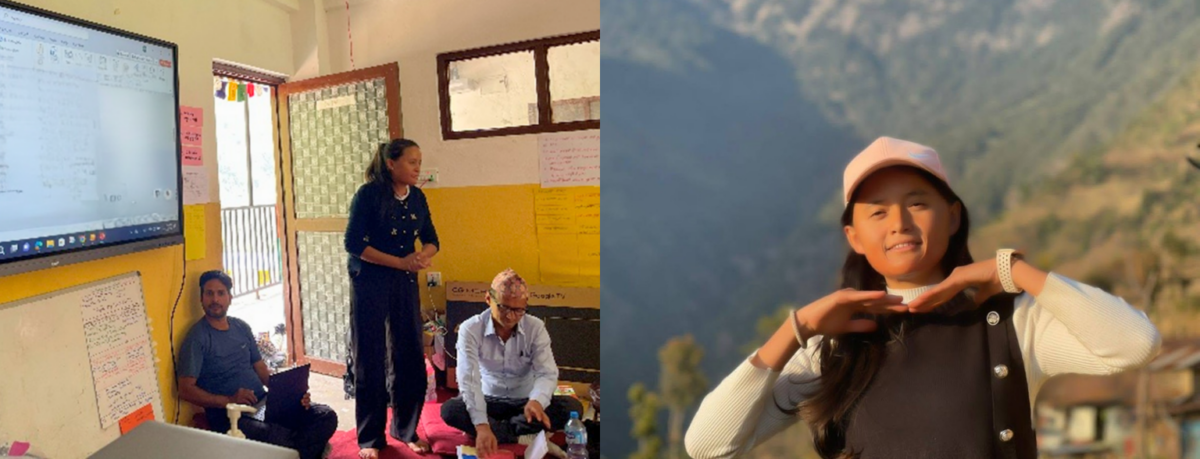
For Chameli, accepting a teaching position at Indrayani Basic School in remote Ghyangfedi, Nepal, was about much more than starting a new job.
Originally from Ghyangfedi , she saw the opportunity as a chance to give back to her own community that she knows and loves. Having grown up in the region, she understands both the strengths of rural communities and the challenges faced by many community schools in Nepal.
Indrayani Basic School is one of seven Adara-supported feeder schools in Ghyangfedi, providing children in grades with access education closer to home.
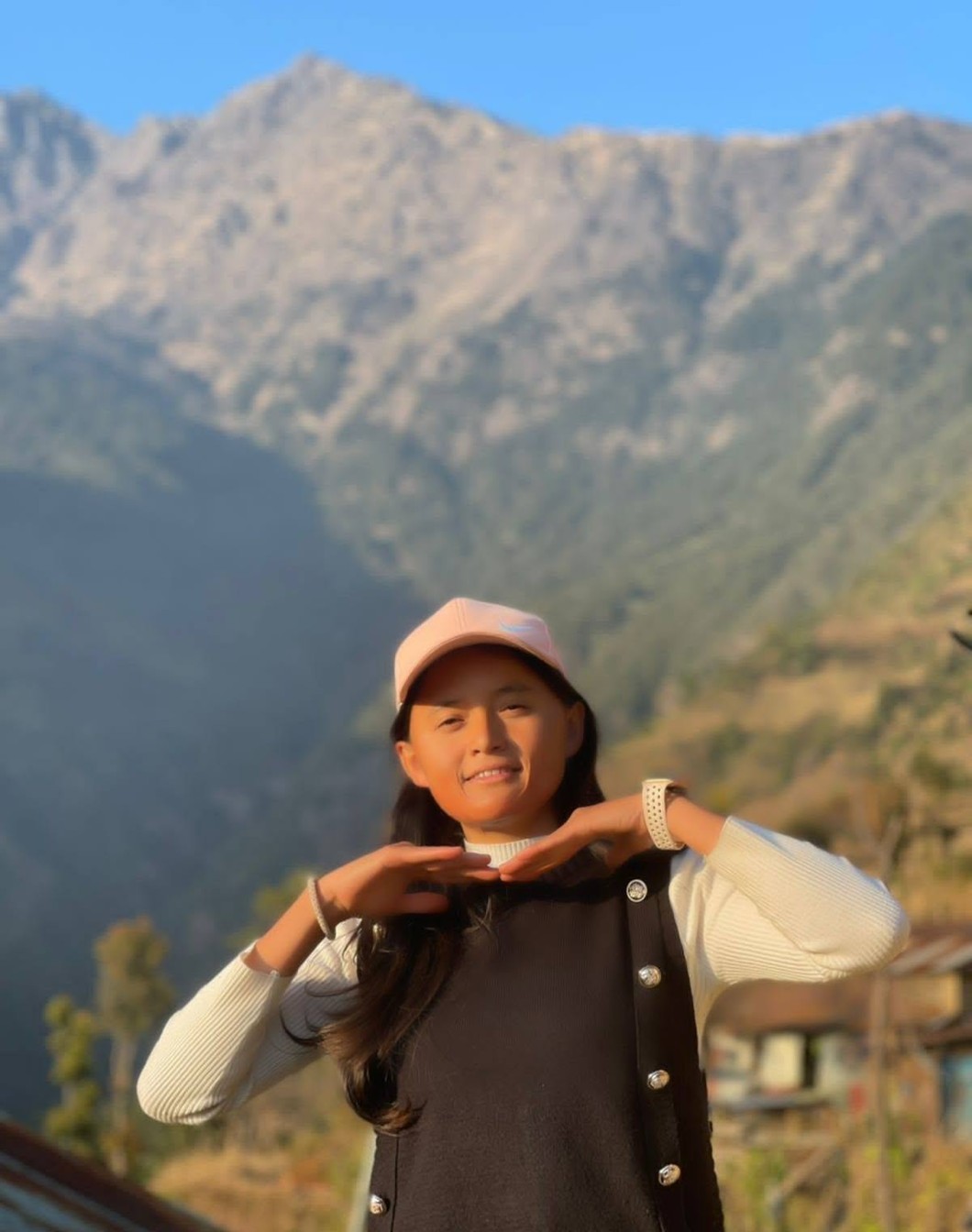
Knowing the power of education to open doors for children and help shape brighter futures, Chameli arrived in Ghyangfedi determined to make a difference. “I wanted to contribute to my community and support children to learn and grow,” she says.When she entered the classroom, she quickly looked for opportunities to improve the learning experience for her students. When students feel involved in their learning, they’re more engaged, more confident and more invested in their education.
At the time, teaching was largely lecture-based, with limited opportunities for students to actively participate in lessons. While Chameli was deeply committed to her students, she wanted learning to be more engaging, interactive and child-centred. She believed children learn best when they are encouraged to ask questions, share ideas and take an active role in their education.
Chameli set out to strengthen her skills and find new ways to support her students. That opportunity came through training provided by Adara, including integrated curriculum, parental education and WASH (water, sanitation and hygiene) training. The training gave Chameli practical tools to encourage greater student participation and helped her incorporate important health and hygiene concepts into classroom activities.
“After attending the training, I am well versed on how student participation can be improved and ways to adopt child-centred methods inside a classroom,” says Chameli.
The training also reinforced the importance of building strong partnerships between schools, families and communities.
Today, Chameli works closely with parents, fellow teachers and the school management team to address challenges such as irregular attendance and learning gaps. She pays close attention to the needs of individual students and is committed to creating an environment where every child feels supported to learn and thrive.
Her commitment has not gone unnoticed. “Teacher commitment is often a challenge in Ghyangfedi. However, Chameli’s perseverance and dedication stand out,” says a colleague. “We have seen changes in the classroom culture because of her commitment and consistent efforts.”
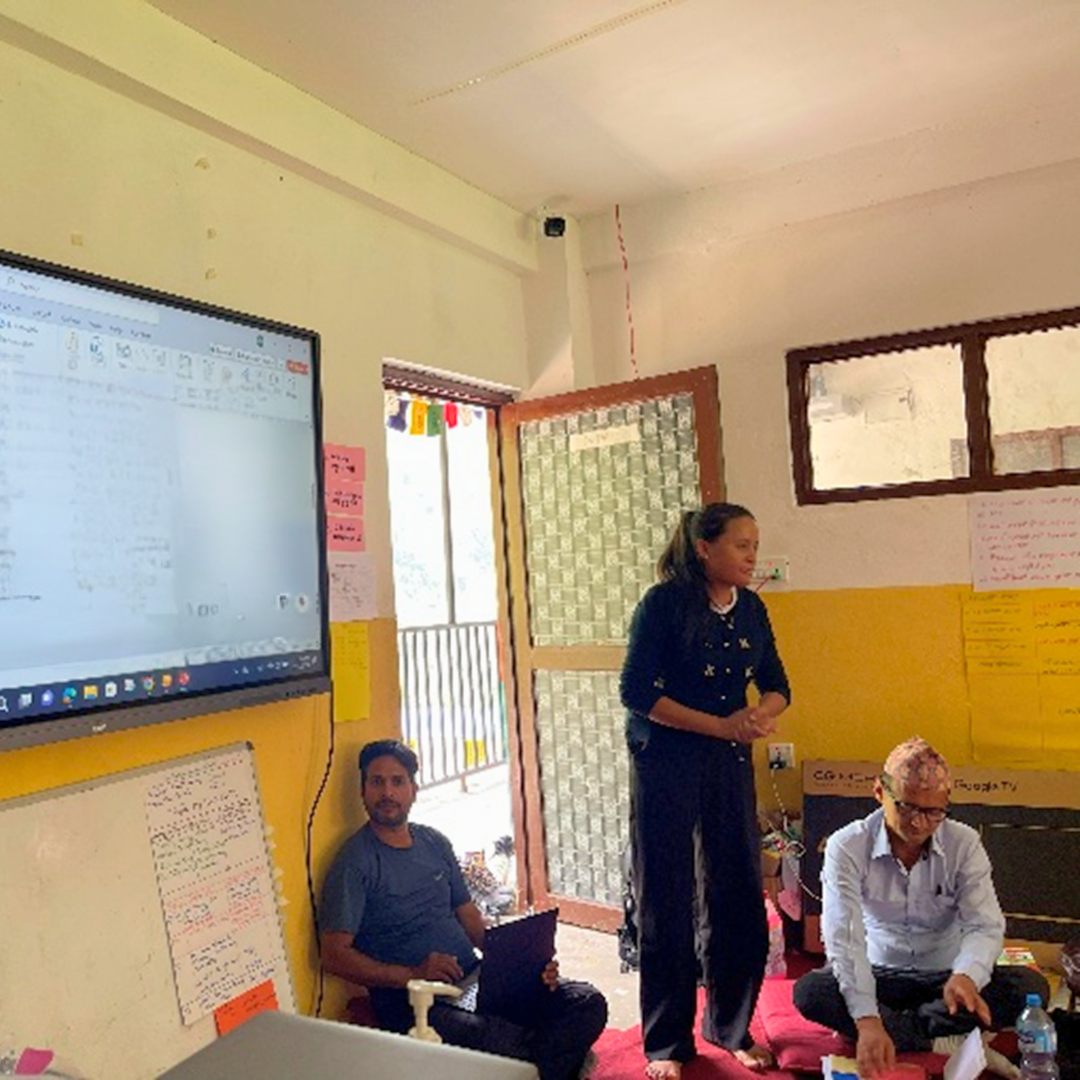
Others have witnessed the impact too. “Her dedication has transformed the school and hygiene, sanitation, health practices and academic performance has improved,” the Chairperson of the School Management Committee says.
The results can also be seen beyond the school itself. Another fellow teacher at Shree Ghyangfedi Secondary School, says students who continue their education after studying at Indrayani arrive well prepared for the next stage of their learning. “The students who come to Ghyangfedi School after studying in Indrayani have good English and Maths and are adaptive to the new learning environment,” she says.
For Chameli, however, the most meaningful measure of success is not recognition from colleagues or community leaders. It is seeing children gain confidence, participate in class and enjoy coming to school. Teaching, she says, is both her passion and her joy. She describes her students as loving, curious and full of potential. Watching them learn and grow is what motivates her every day.
“My greatest motivation is the smiles of students.”
Beyond the classroom, she appreciates the strong support of local families. “The parents celebrate happy moments with us, stand by us during difficult times and often share fresh organic produce from their farms,” she says with a smile. “Their kindness and support make us feel like part of one big family.”
It is this sense of community that continues to inspire her work. Having returned to give back to her home, Chameli feels privileged to play a role in helping the next generation build brighter futures through education. “Thanks to Adara for inspiring me and helping me to create a child-friendly learning environment for the students,” she says.
Today, Chameli continues to inspire her students with the same dedication that first brought her back to Ghyangfedi. By creating more engaging classrooms, strengthening connections with families and encouraging children to participate in their learning, she is helping shape opportunities for the next generation.
Chameli’s impact can be seen in the confidence of students, the support of parents and the determination of a teacher whose commitment to giving back is helping create brighter futures for local children. Her story is a reminder that meaningful change often begins with people who choose to invest their knowledge, skills and passion back into their own communities.