After spending a month in Nepal following the devastating floods, Adara’s Communications Manager Laura Broker-Towart reflects on the destruction she witnessed, the resilience of affected communities, and the extraordinary people working to rebuild hope.
‘My heart is bursting’. That’s the thought replaying in my mind after a month in Nepal. Bursting with love and admiration for the dedication of Adara’s extraordinary local teams. Bursting with gratitude for the work Adara does and the opportunity to see it firsthand. But also bursting with sadness and grief for the Nepali people and the loss and devastation they have faced in the horrific flooding.
It’s been a whirlwind of contrasting emotions. Seeing our incredible local staff in action. Visiting the devastating flood sites. Nowhere were those emotions more present than at Devighat School.
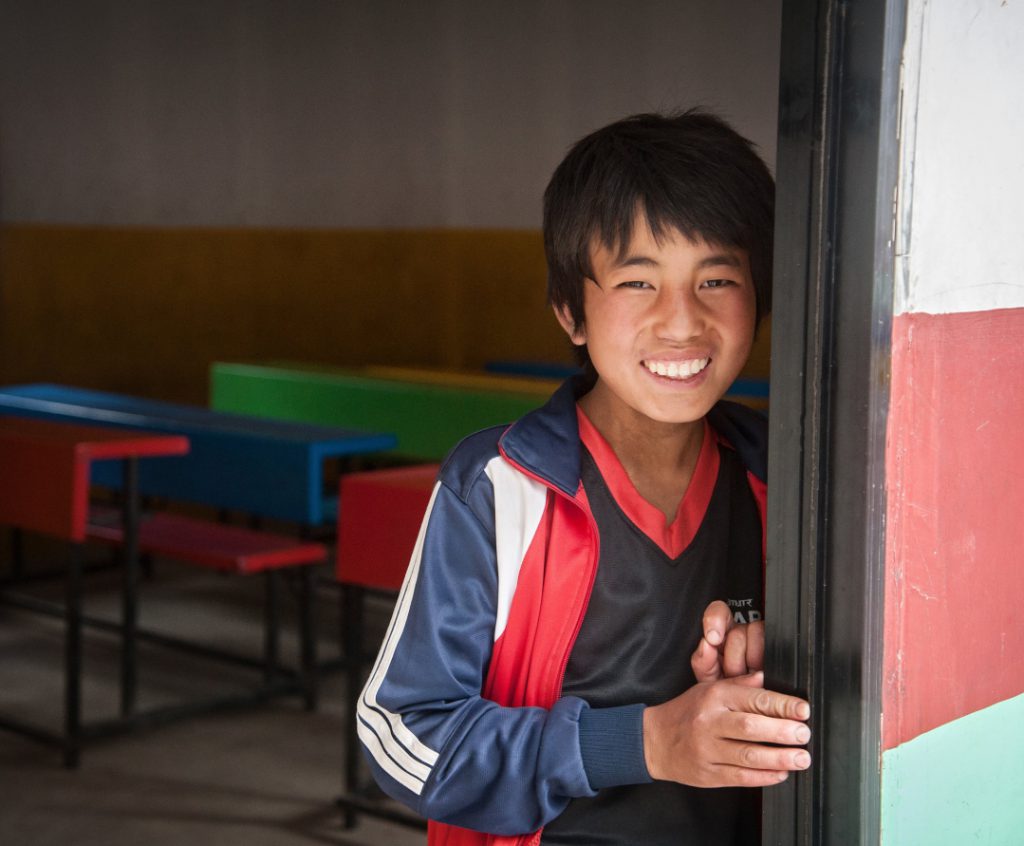
Hundreds of smiling faces greet us as we arrive at the school, cheering, clapping, waving. This community was hit hard by the devastating flooding. But standing in the school – you’d never be able to tell.
As we’re shown around, students rush past us, playing football, giggling with their friends, little ones playing tip. Normal lunchtime activities. The resilience of kids never ceases to amaze. These children have been through an unimaginably traumatic experience, yet here they are, laughing and playing.
Standing on the school rooftop, we can see the flooded river and how close it came to the school. We remark how amazing it is that the school wasn’t affected, but we have no idea. It’s not until we step outside and begin walking through the village that the true magnitude of the disaster becomes clear, and just how lucky the school was.
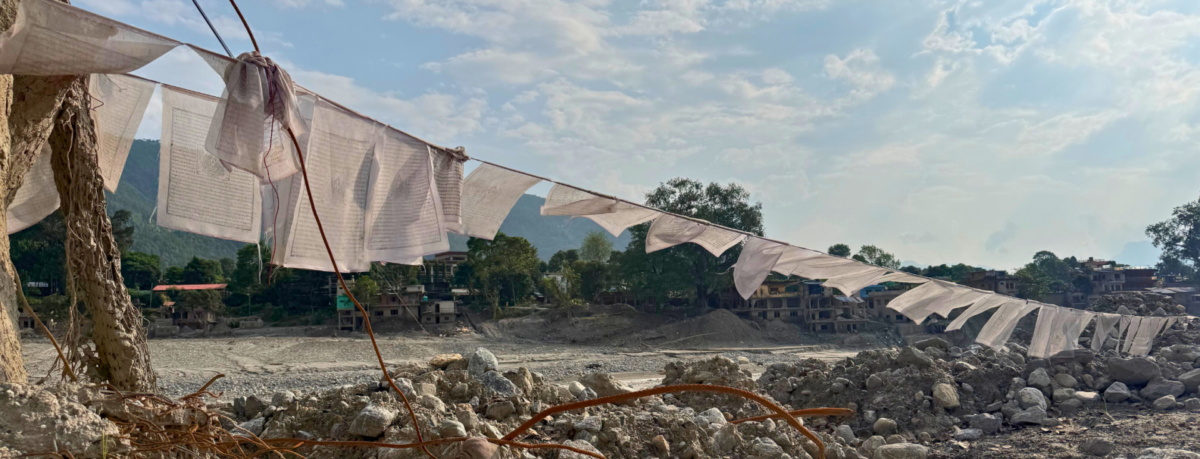
Beyond the school gates, everything in sight is covered in mud. Just metres from the classrooms where these children learn every day, the entire village has been destroyed. Mere shells of buildings remain, skeletons of the homes and livelihoods that stood there. An entire community wiped out in moments by the tsunami-like torrent of mud and water.
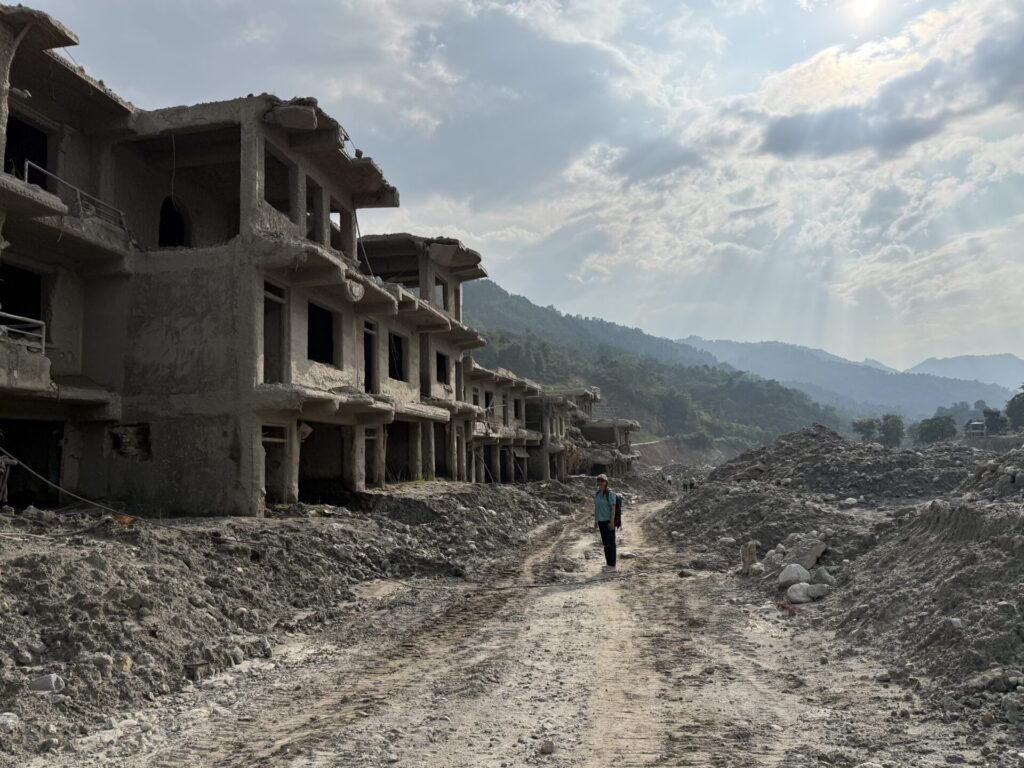
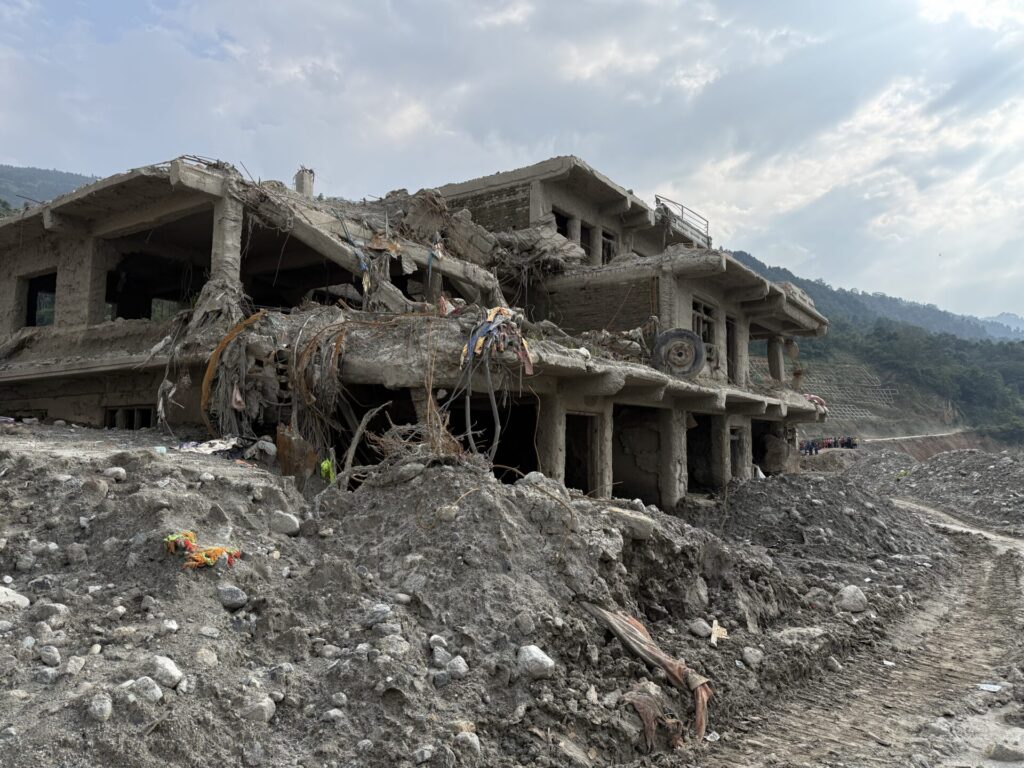
The school is the only thing that remains. It’s truly a miracle. Mud has crept right up its perimeter but not inside. The building stands tall and untouched, a stark contrast to the devastation all around it. A beacon of hope amongst so much destruction and loss.
As we tour the school, the head teacher recalls the terrifying phone call warning of what was coming down the river. There were just 20 minutes until the waters hit. “Don’t panic. Stay calm.” That was the message. Older children were told to run uphill. Little ones were rounded up onto buses and driven to safety. Thanks to the quick thinking of their teachers, all 800 students escaped safely. When they returned, the school remained. But that was all.
Many students lost their homes. Most are staying with extended family across the river, or up on higher ground. But some are now too far away to travel to school every day. These children are sleeping in mesh tents inside an unused classroom. Three girls to one tent. As we walk through the village we see washing hanging up on the shells of destroyed houses. People are living in the remnants of their homes. They’ve got nowhere else to go.
Later, down by the riverbank, school has finished. A line of students wait to cross the river using a zipline-basket pully system. The bridge has been destroyed. It’s the only way across. Every morning and afternoon these children walk through their devastated town, wait their turn, climb into the basket and are pulled across the river. It’s inspiring the way this community has rallied together to help one another.
Looking across the barren landscape, it would be easy to think the village has been washed away. It hasn’t. It’s underneath us. Moving through the devastation, we tread across what appear to be concrete slabs. Only they’re not. We’re told we’re standing on top of the principal’s house. A three-storey building. Buried completely beneath the mud.
I stop and look around again. This village hasn’t disappeared. The homes, businesses and lives that once filled this place haven’t been carried away. They are still here. Buried beneath our feet. We’re told some residents are attempting to dig up their houses.
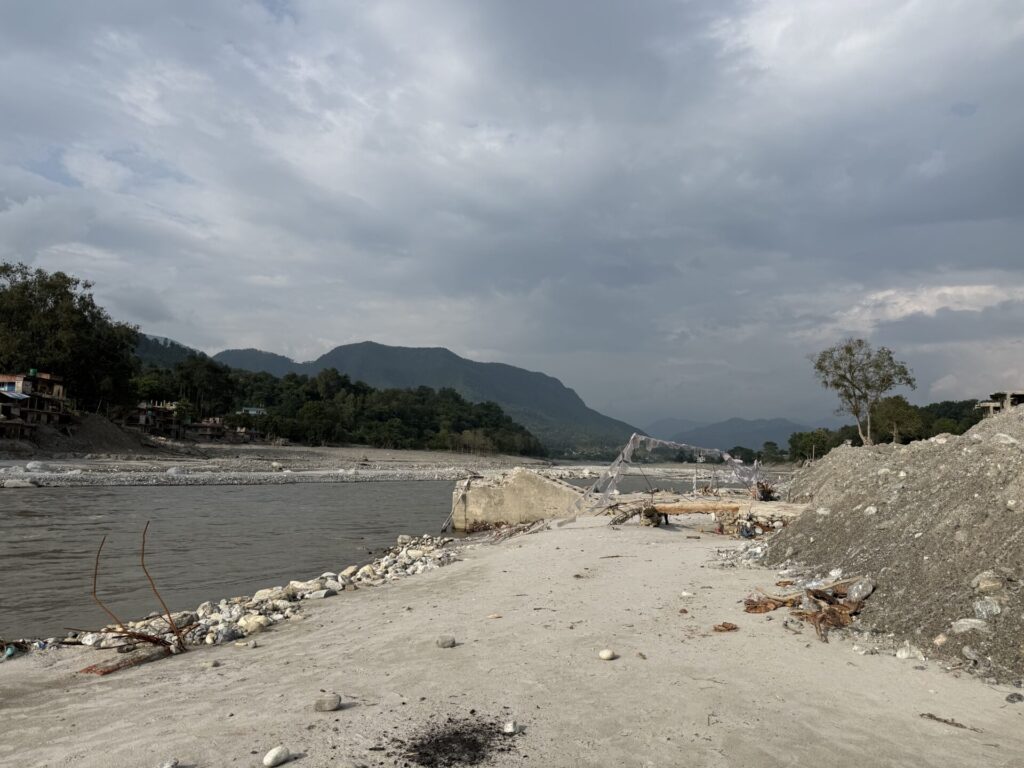
This community has lost so much. But one sacred place remains. The school. A safe space for children to come. A place to learn. Play. Have fun. Forget. A place where everything can feel normal, or as normal as it can. An escape, even if just for a few hours. Outside is a ghost town, but inside the next generation continues to learn and grow. That’s the power of education. Of community. That is the hope amongst the horror.
The next day we drive further up the river, closer to the peak of the destruction where the flood hit the hardest. We drive as far as we can, to where road has just been bulldozed. Mud is piled high on either side. We get out of the car and climb the mounds, revealing what lies beyond. Stretching out in front of us for hundreds of metres is…nothing. You can’t imagine that entire villages stood here just weeks ago. Even seeing Devighat couldn’t have prepared me for the level of destruction.
All that remains is a single clock tower. It’s eerie. The top half is completely untouched. The clock has stopped ticking but is otherwise pristine, almost new. A juxtaposition amongst the devastation all around.
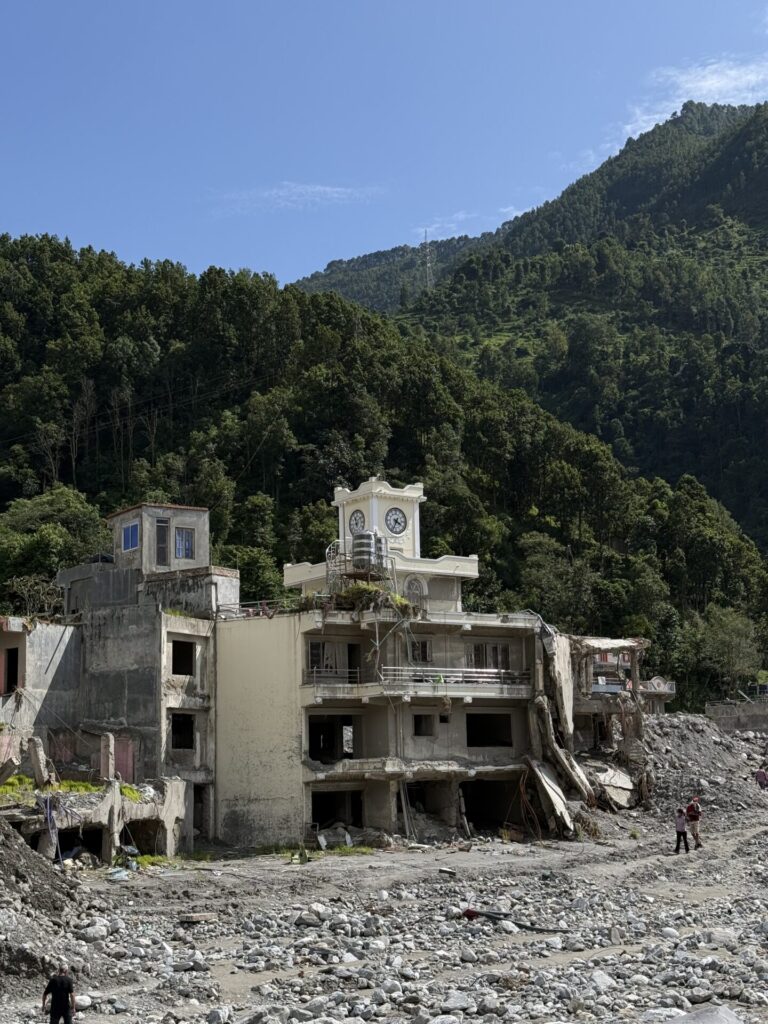
It’s like something out of a horror movie. But this isn’t a movie. This is real life. On the outskirts of the destruction, buildings are covered in mud high up in the hillsides. So high and far from the river that their owners could never have imagined they could be flooded. Even now standing in the middle of the destruction, the thought that the water reached up there seems impossible.
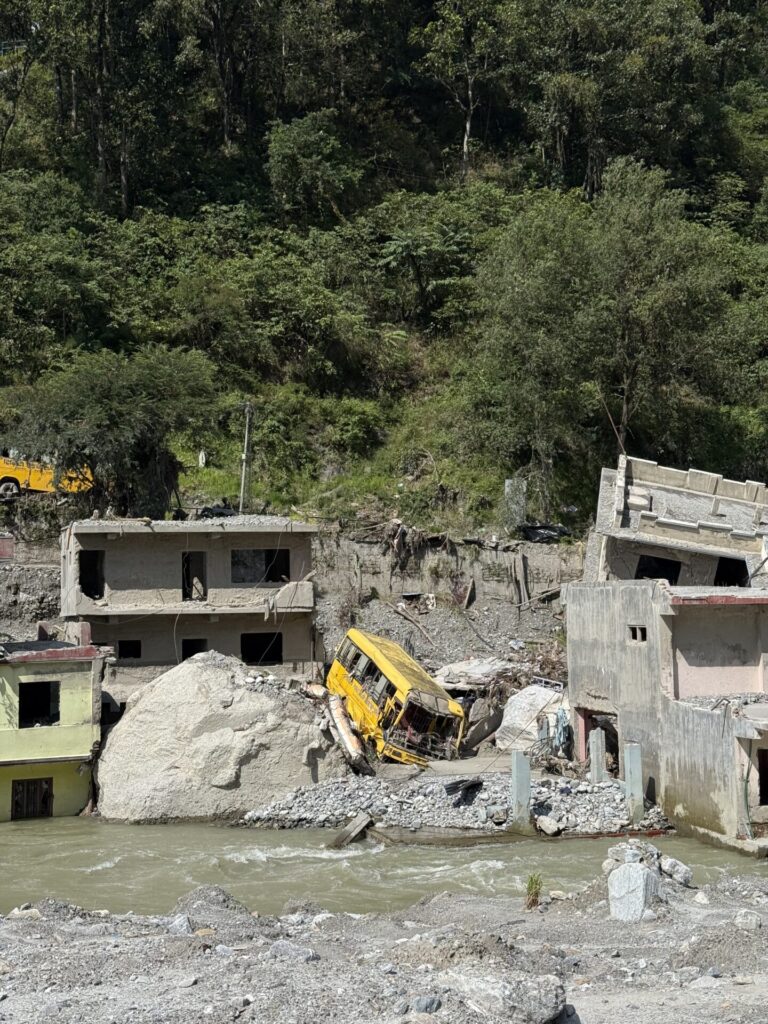
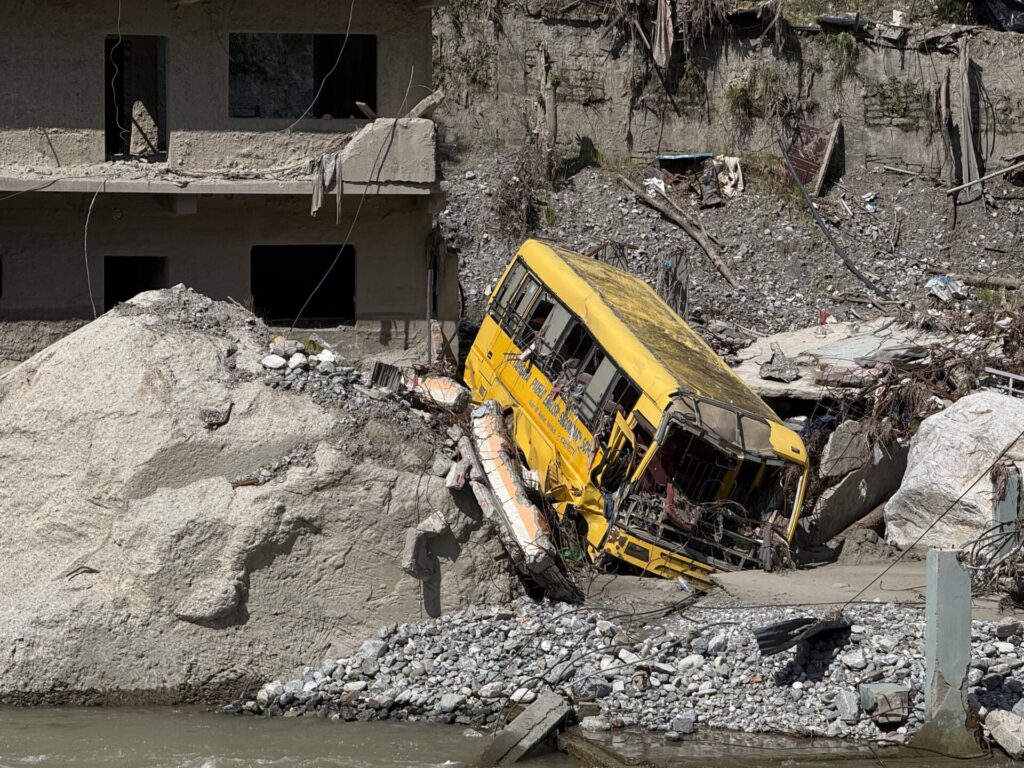
Crossing the landscape, I see something across the river that floors me. Amongst lifeless, half-washed-away buildings, sits a bright yellow school bus, crashed and abandoned. A burst of colour amongst the beige destruction. It takes my breath away. Gleaming in the sun, it would almost be beautiful if you don’t think about it too hard. About what it represents. About what it could mean. About all the children that lived here, who went to school here. I hope with everything in me that there were no kids on that bus. I can’t help but think back to Devighat school and the younger children being evacuated on buses. I hope this wasn’t the case here. I pray that there was no one onboard when the flood hit. That this bus was simply left behind children were ushered to safety. That’s what I have to tell myself.
Nearby, the army is rebuilding a bridge. I’m told it’s almost finished. Once complete, people will be able to cross the river for the first time in five weeks. For the first time since arriving, I see something being rebuilt. A small but powerful reminder that recovery has already begun. A glimmer of hope amongst all the darkness.
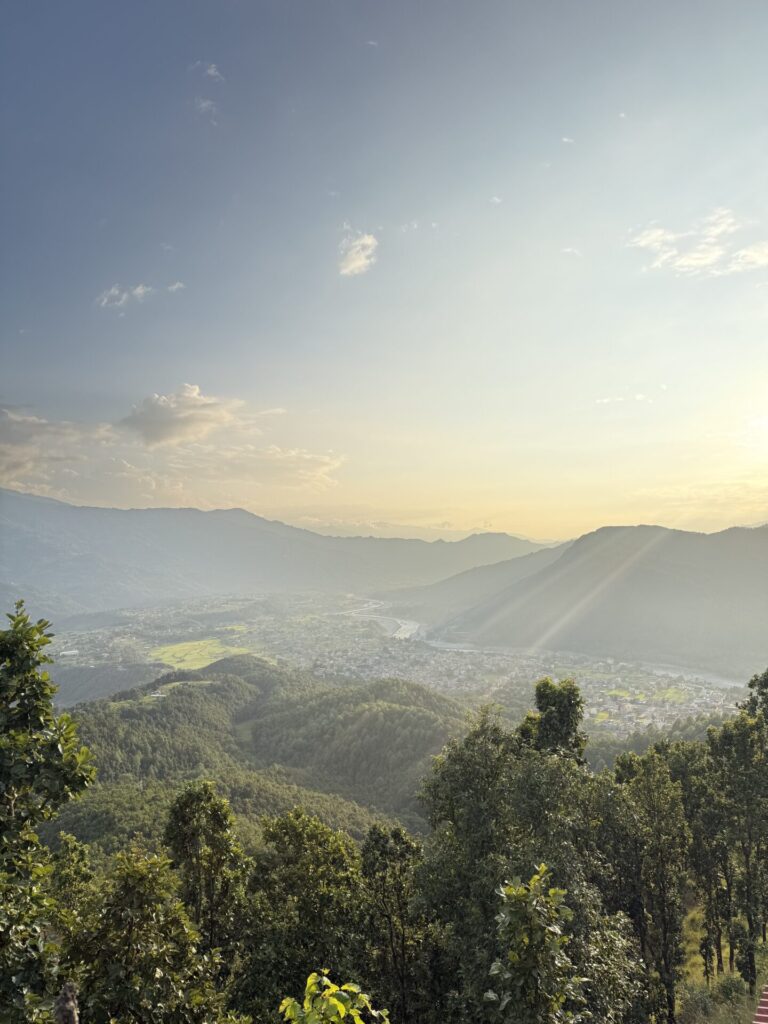
That evening we stay high up in the hills of Nuwakot. It is a relief to get away from that horror zone. The view from our guest house is stunning. Breath-taking in a completely different way. The amber rays of the setting sun reflect off the mountains surrounding us and the villages below. We remark how gorgeous it is. How peaceful.
Our Nepali colleagues agree. But one of them tells us the mountains feel different now. They feel like grenades. Beautiful, but dangerous. Ticking time bombs waiting to collapse. This disaster has changed their relationship with the mountains forever. Never again will they be able to look at them and feel only peace. Now there is also fear. The threat of what they are capable of. Looking out, the destruction below appears so small. Almost insignificant against the vast landscape. You could almost pretend it isn’t there. It would be so easy for me to look past it and only see the beauty of the landscape. But that is a privilege the Nepali people do not have.
All my life I have heard about warming glaciers and rising waters. But I never imagined this is what it could look like. I pictured oceans slowly creeping higher and islands gradually disappearing, not a tsunami-like flood in a landlocked country, wiping out entire villages in minutes and leaving 70 kilometres of destruction in its wake.
Nepal is surrounded by glacial mountains, meaning the threat is far from over. The people suffering first and hardest are those who have contributed least to climate change. While many of us in the West have the privilege of looking away from its impacts, the people of Nepal do not. For them, climate change is not a future threat or political debate. It is a reality they are already living. Although confronting, I feel privileged to have had the opportunity to see the impact of this disaster firsthand. To truly understand the context of what has happened, and how Adara can help.
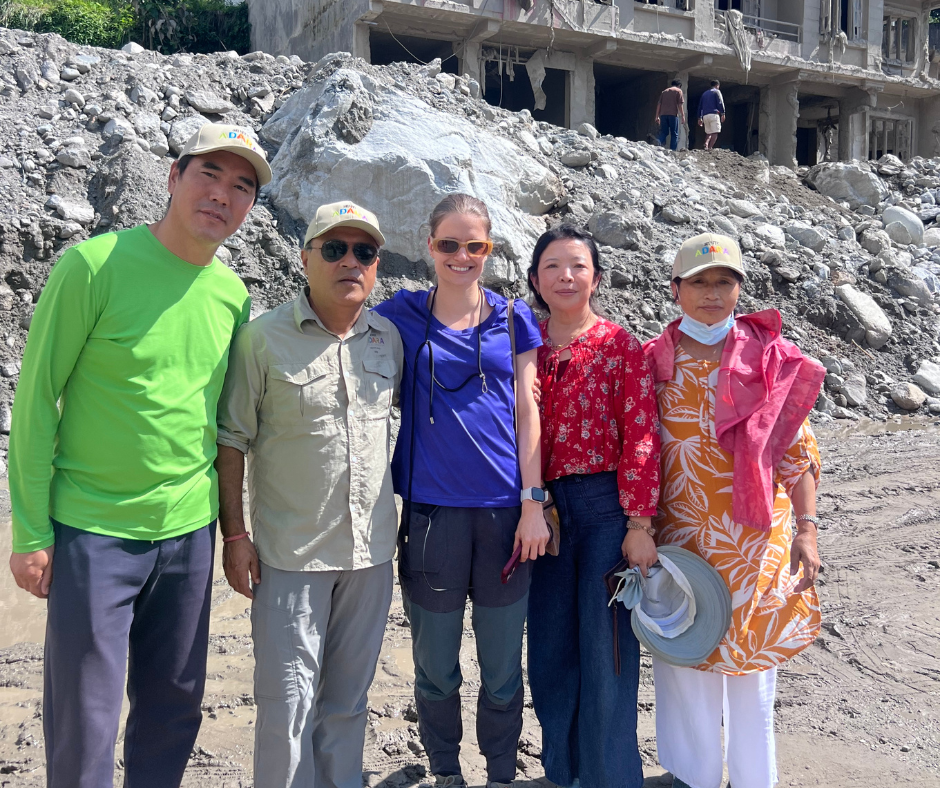
A few days later back in Kathmandu, I join Adara’s flood relief and recovery workshop with the rest of the Nepal team. It’s incredible to see my extraordinary Nepali colleagues spring into action, passionately sharing their ideas and working together to map out Adara’s response over the longer term. These are experts in their fields who deeply understand the local context and where Adara’s expertise is best placed to help. Having worked with many of these colleagues remotely for years, it was a privilege to finally spend time with them in person.
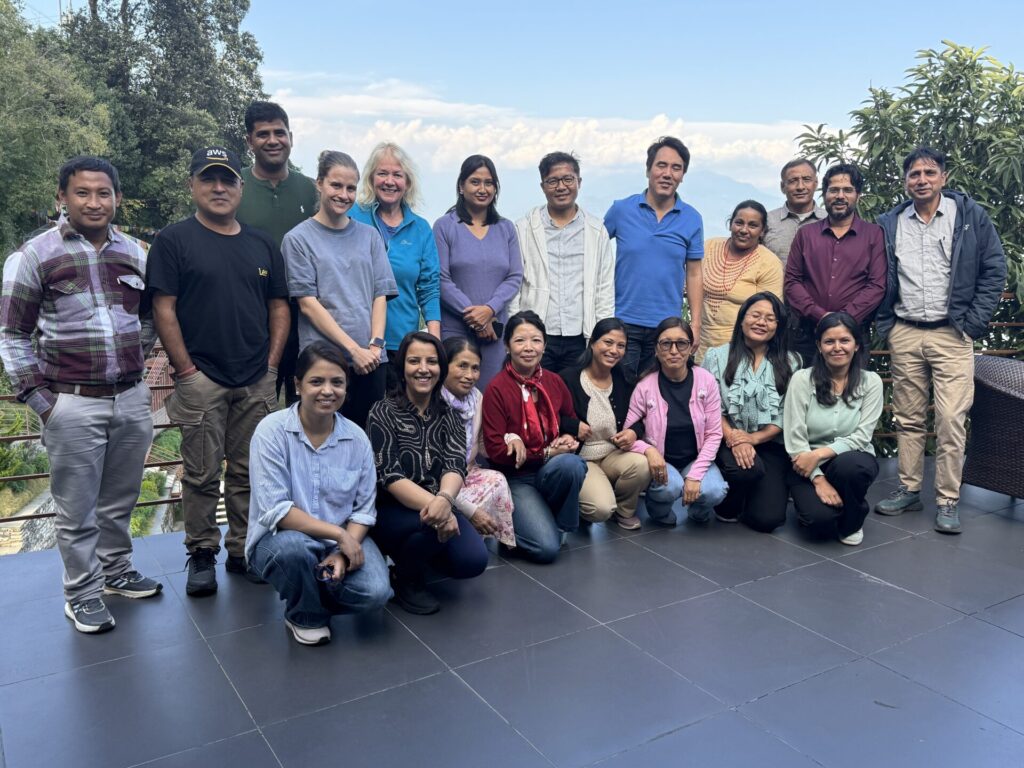
In just a few hours, the team has mapped out a plan. Over the next two and half years to the end of our 2026-2028 Strategic Plan, Adara will support in four key areas of focus: excellence in education, protection and safeguarding of children, health including water sanitation and hygiene and psychosocial wellbeing, and disaster preparedness, relief and recovery. Planning out a longer-term response felt like mapping out hope. Hope for the future. A reminder that there is light ahead for these affected communities.
Throughout my trip, I was continually struck by the kindness, generosity and warmth of the Nepali people. Despite everything their communities had been through, everyone welcomed us with open arms, offered their hospitality and shared their stories. Again and again, people who had lost so much were focused on helping others.
After being in the midst of the devastation, it is a great comfort to know that Adara is helping. I know the team felt that too. Despite their own trauma from this disaster, the team’s first priority was how they could help those in need. It is truly inspiring.
At the end of a month in Nepal I am overwhelmed with love for these people and their country. But I am scared for them too. The images stay with me. The smiling faces at Devighat School. The principal’s house buried beneath metres of mud. The lone clock tower standing amongst devastation. But most of all, the yellow school bus.
I’m back home in Sydney now, far removed from the disaster. But that yellow still burns behind my eyelids.
I will not forget. We cannot forget.
My heart is bursting.