When a mother begins to haemorrhage or a newborn is not breathing, there is no time to hesitate. The midwife or nurse beside them must be able to recognise the emergency and respond confidently, correctly and immediately.
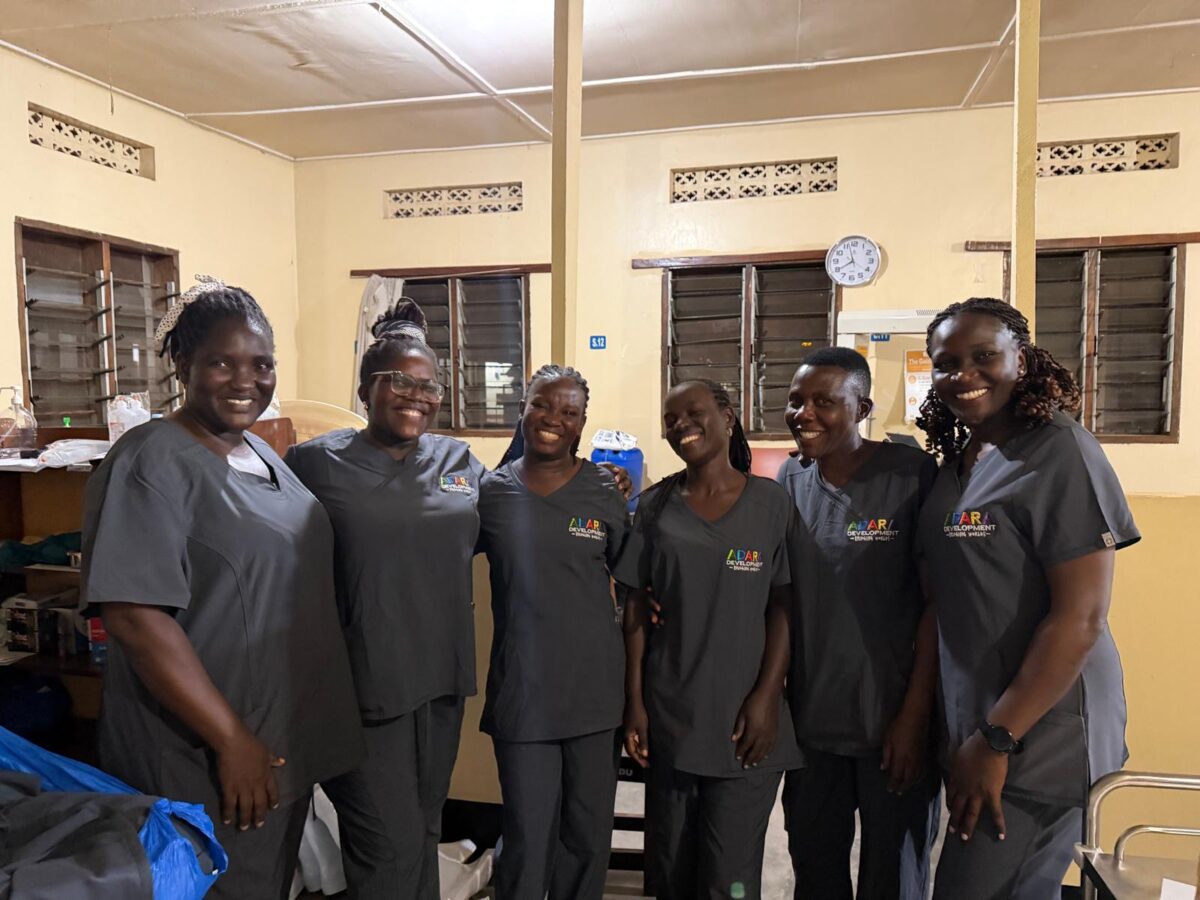
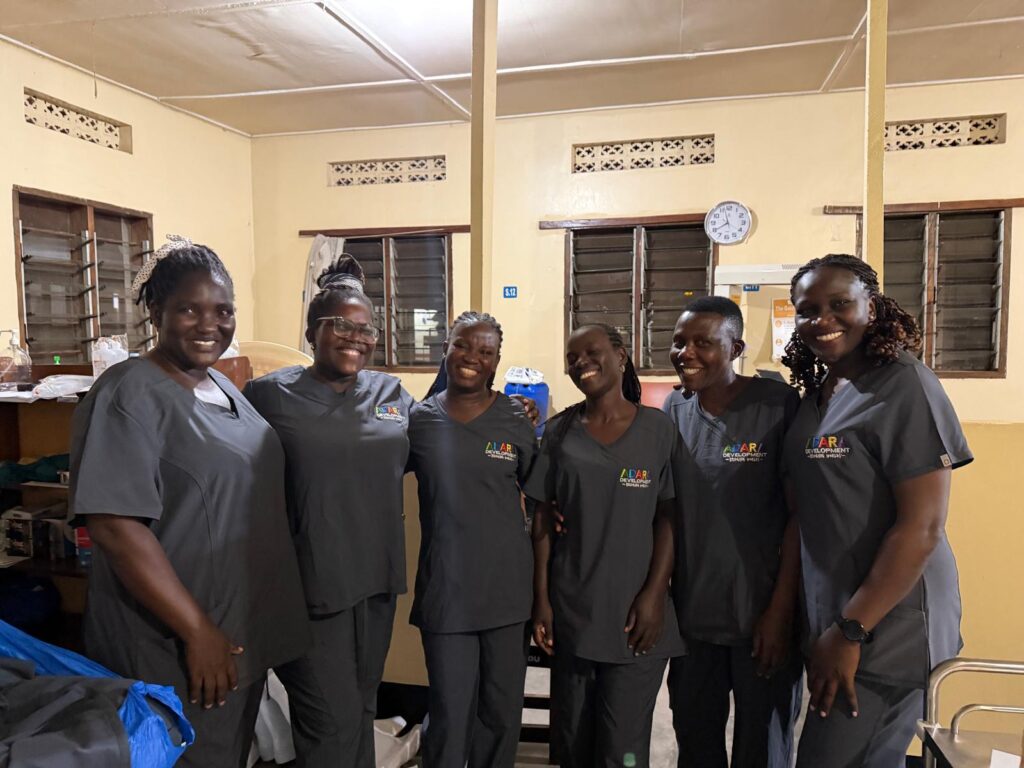
This was the goal of Adara’s Skills Station Day at Kiwoko Hospital, Adara’s long term partner and Centre of excellence The day brought together 65 midwives, nurses and doctors from hospitals and smaller rural health facilities across the district. Together, they spent a full day practising the critical maternal and newborn skills they may need during some of the most urgent moments in a mother or baby’s care.
Among those supporting the workshop was Belinda Kerr, Adara’s Maternal Health Education Manager. Belinda spent 12 days in Uganda working alongside our local team and seeing AdaraNewborn in action. “Knowledge is important. But it’s what happens on every shift, with every mother and every baby, that saves lives,” she says.
“This is why repeated, hands-on practice is so important. Health workers need the confidence and practical experience to recognise an emergency, make decisions under pressure and respond without delay.”
This ongoing, practical support is central to AdaraNewborn, Adara’s model for saving maternal and newborn lives by strengthening the health system. By building health workers’ skills, confidence and readiness, AdaraNewborn helps ensure mothers and babies receive timely, high-quality care when they need it most.
Building skills for critical moments
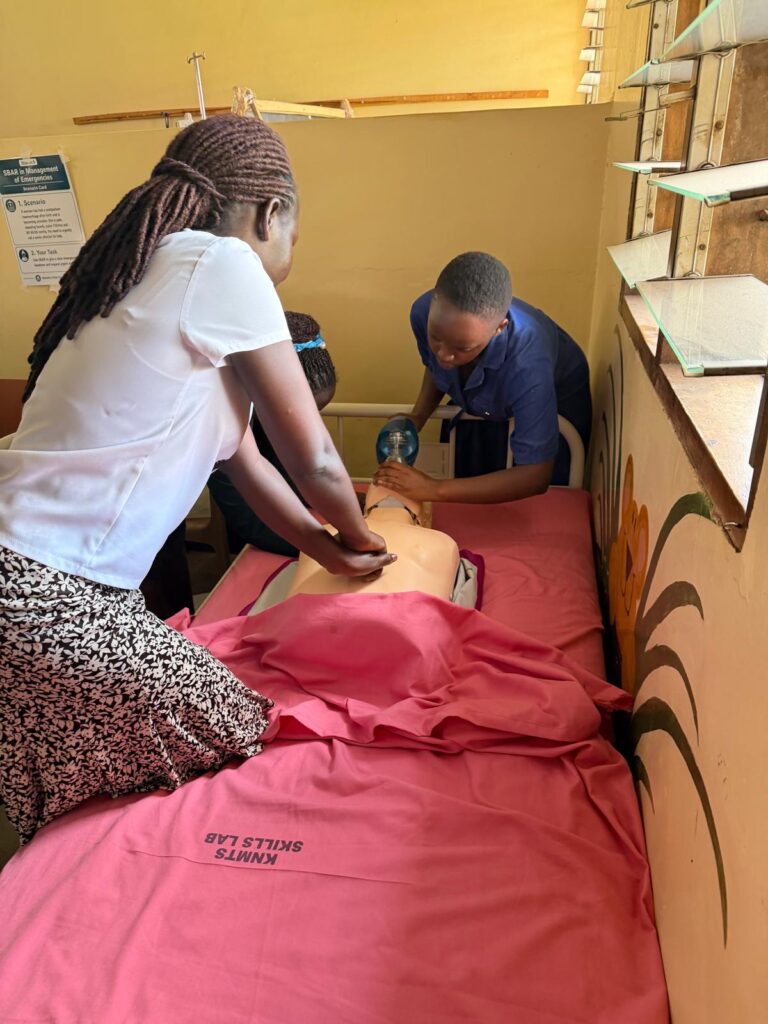
“In just a few hours, we turned an old, dusty, unused hospital room into a fully equipped skills simulation centre”, says Belinda.
Across 12 hands-on stations, participants practised the skills they need to provide safe and timely care during critical maternal and newborn emergencies. Each station was supported by a clinical coach and an assessor, with participants assessed as they demonstrated each skill. If they did not perform it correctly, they received guidance and practised again until they could demonstrate competence.
“Our goal is for these lifesaving skills to become muscle memory. Not just something a midwife or nurse knows, but something they can do confidently, correctly and quickly, every time.”
Many of the midwives that took part work in small rural health facilities, sometimes as the only midwife on shift. “When a mother experiences a life-threatening complication or a newborn needs immediate help, these health workers may have nobody else beside them”, says Belinda.
“They need to recognise the emergency quickly, know exactly what to do and have the confidence to act”.
The energy in the room continued long after the sessions were scheduled to finish. Even at 8pm, health workers were still practising and eager to learn more. For Belinda, the day demonstrated their extraordinary commitment to strengthening the care they provide to mothers and newborns. “It was wonderful to see the midwives and nurses so engaged and still wanting more, even when time was up,” she says.
The Skills Station Day gave health workers dedicated time and space to repeat critical procedures, identify gaps and learn from experienced clinical coaches. By bringing together health workers from hospitals and lower-level facilities, the workshop also helped strengthen the wider network of maternal and newborn care across the district.
Turning one day of practice into lasting change
The Skills Station Day may have only lasted a day, but the learning and support will continue throughout the year. “The Adara clinical team and midwife mentors will visit these health facilities throughout the year to keep practising the skills, address gaps, provide practical learning tools and check that the emergency equipment is there and ready to use”, says Belinda.
This ongoing mentorship is central to AdaraNewborn’s approach. Through regular practice and practical support, health workers retain their skills, continue building confidence and respond effectively under pressure.
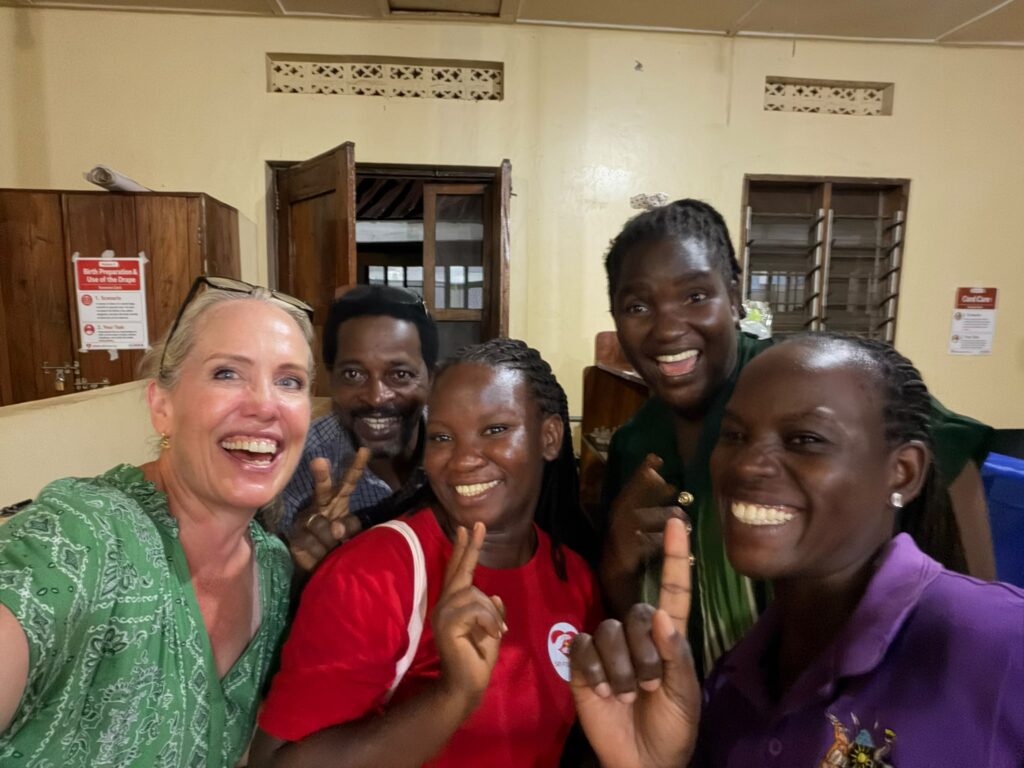
By the end of the Skills Station Day, 65 health workers had moved through the simulation centre, practising and demonstrating critical maternal and newborn skills. But Belinda says the true impact of the day will not be measured by the number of certificates handed out.
“The success will be measured by what happens when the next mother haemorrhages or the next newborn needs resuscitation.”
That is when practice becomes confidence, knowledge becomes action and skills save lives.