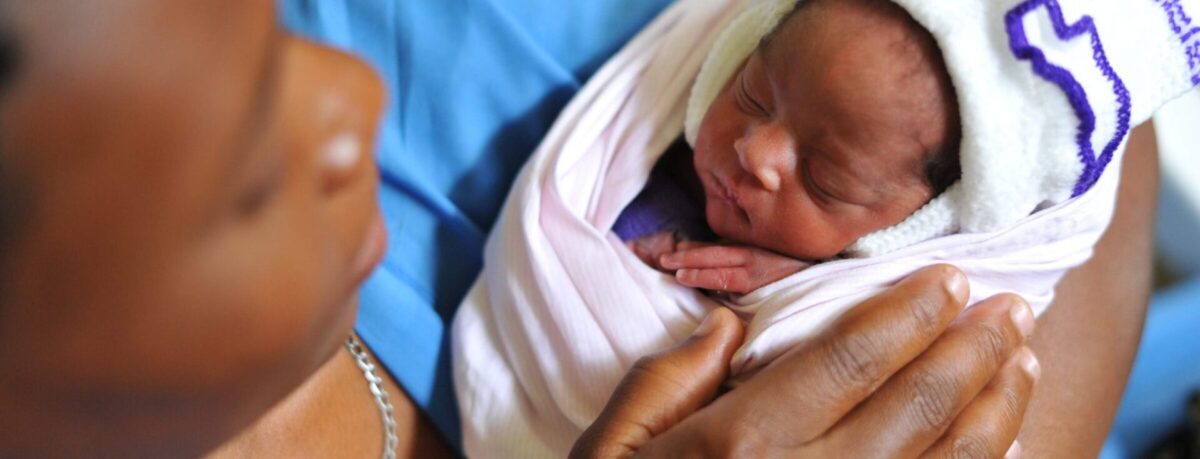
Every year on World Prematurity Day, we pause to reflect on the millions of babies born too soon—and the families who walk beside them. At Adara, we feel privileged to work with babies born too soon and the dedicated health workers who provide life-saving care.
Prematurity is the leading cause of death in children under five worldwide. 1 in 10 babies globally is born preterm. At least 80% of these births occur in low- and middle-income countries, where access to specialised care is limited. Without effective interventions, these babies face life-threatening conditions like respiratory distress, infections, and hypothermia – leading to hundreds of thousands of preventable deaths each year.
World Prematurity Day is an opportunity to highlight the proven interventions that give small and sick newborns the best chance to survive and thrive. That’s why we’re proud to showcase AdaraNewborn – our evidence-based model designed to transform maternal and newborn care in low-resource settings.
Why World Prematurity Day Matters
This global day raises awareness of the impact of preterm birth and advocates for quality care for every baby born too soon.
The 2025 theme – “Give preterm babies a strong start for a hopeful future” – echoes what we’re all about at Adara. It calls on countries to:
- Invest in specialised care for small and sick newborns, including neonatal units, trained staff, dedicated space, and life-saving equipment
- Strengthen maternal health services to prevent preterm birth and detect health problems early
- Support families with emotional, financial, and practical resources to care for their tiny babies
- Ensure equity so that survival doesn’t depend on geography or income
The Need in Uganda
Whether a preterm baby survives shouldn’t depend on where they are born. In high-income countries, almost all very preterm babies survive. In the poorest countries, most die within days – deaths that are largely preventable.
In Uganda, newborn disorders are the leading cause of death. Each year:
- 62,000 deaths occur around the time of birth. Including:
- 32,000 neonatal deaths
- 26,000 stillbirths
- 4,800 maternal deaths
Despite national commitments to progress, health facilities remain under-equipped, and trained health workers are in short supply. Many solutions fail to address the vital link between a mother’s health and a baby’s survival. Uganda is currently off track to meet the maternal and newborn mortality Sustainable Development Goals (SDGs) by 2030.

AdaraNewborn: Our life-saving model
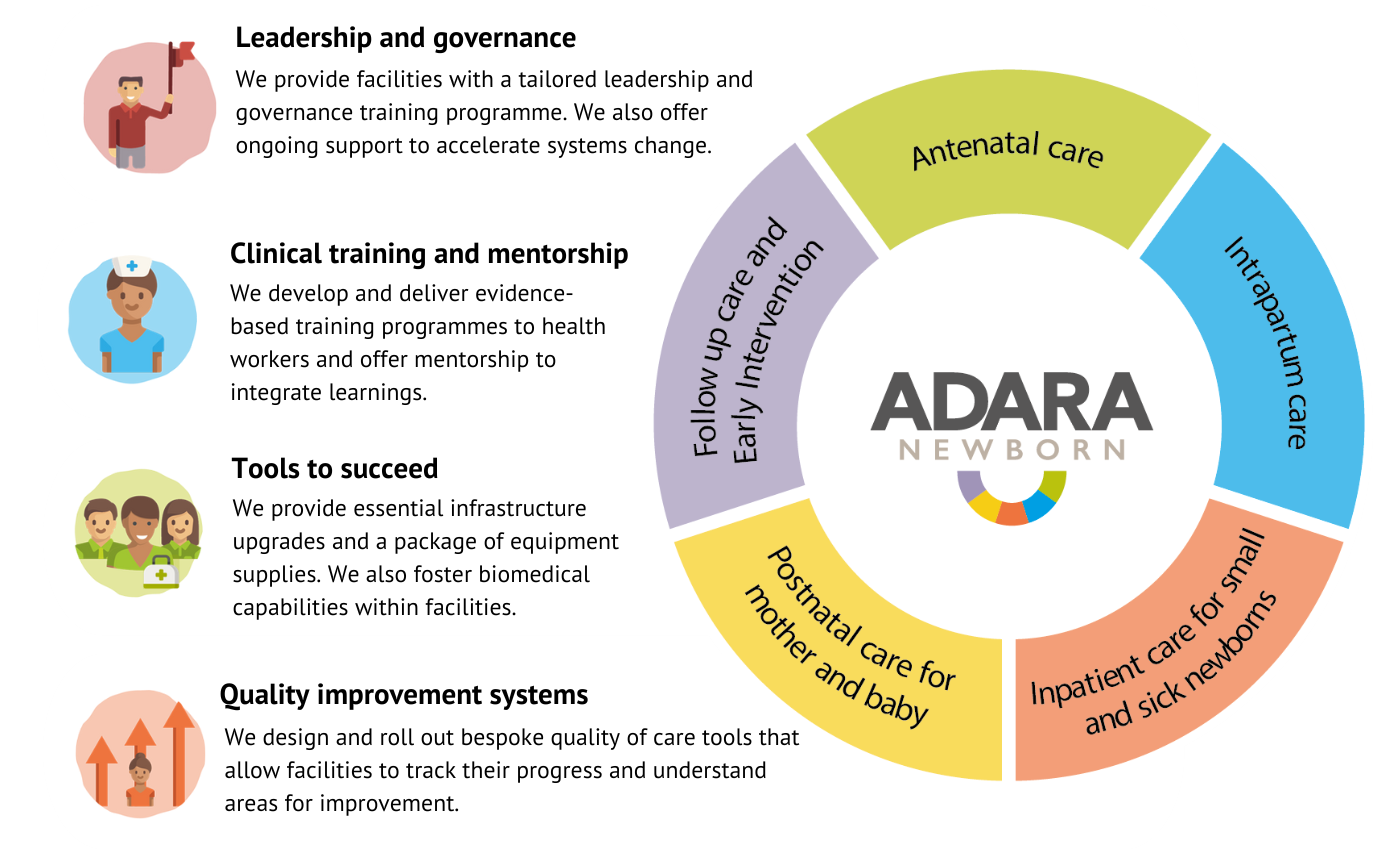
Built on over 27 years of experience, AdaraNewborn is our evidence-based, high-impact model for maternal and newborn care in low-resource settings.
Preventing deaths and complications from preterm birth starts with high-quality care during pregnancy. That’s why AdaraNewborn works to address the quality and availability of services across the continuum of newborn care – supporting mothers and newborns from pregnancy through to their return home after birth.
We specialise in delivering high-quality healthcare to women, newborns and children at health facilities, in the community and at home. Our approach includes:
- Upskilling health workers
- Equipping facilities with neonatal units and life-saving tools
- Strengthening health systems for lasting impact
Our goal: reduce preventable maternal, newborn, and child deaths and move Uganda closer to SDG targets.
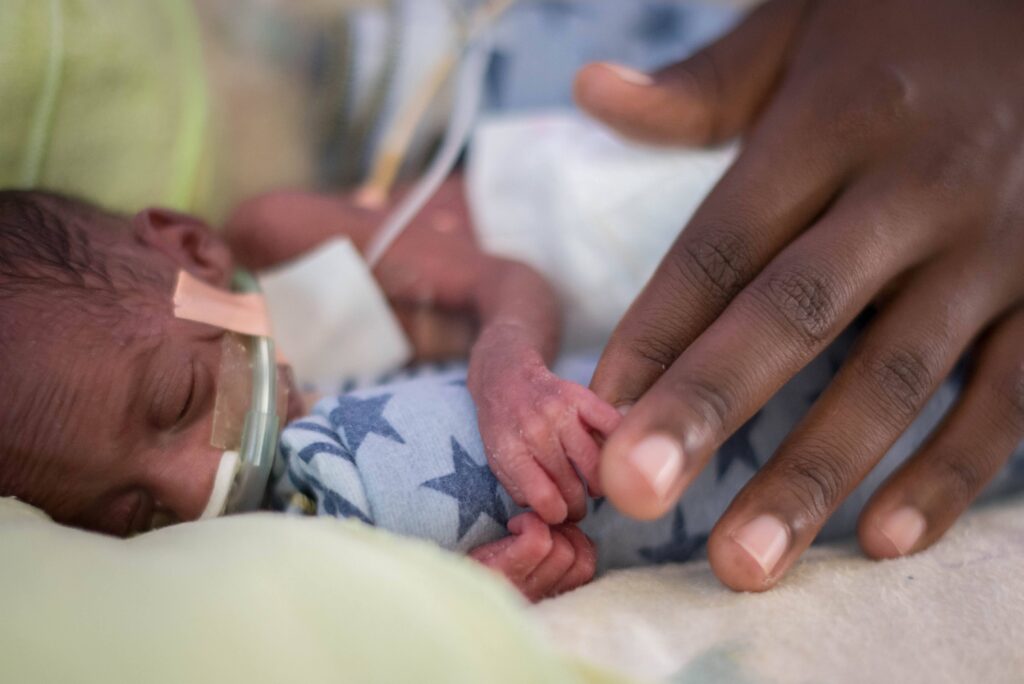
Caring for Preterm Babies in Neonatal Units
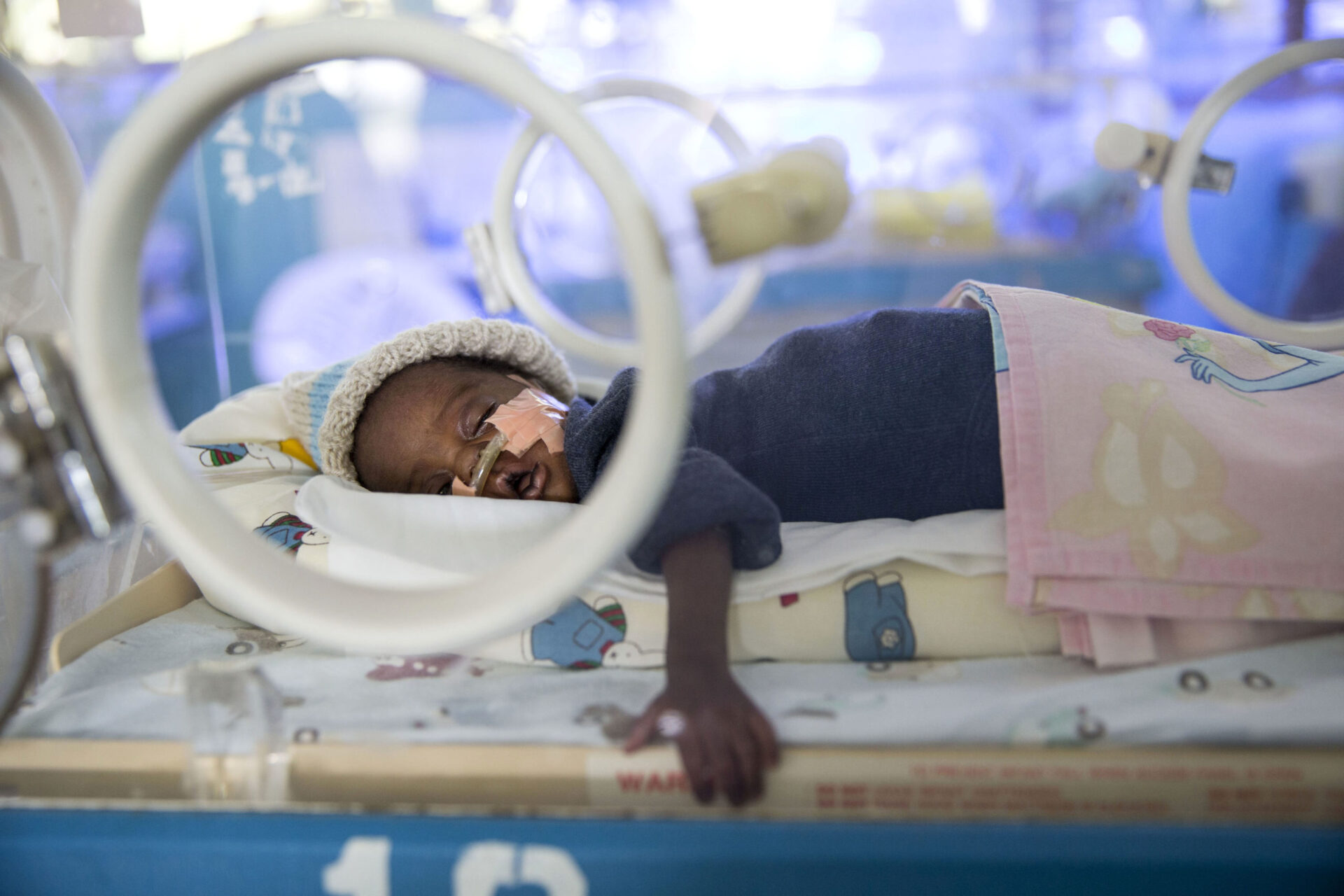
For babies born too soon, the first hours and days are critical. Without specialised care, many preterm and sick newborns in low- and middle-income countries die – simply because hospitals lack the equipment, trained staff, and resources needed to help them survive. Our goal is to change that. We aim to increase access to quality inpatient newborn care in Uganda by establishing high-quality newborn units at AdaraNewborn facilities. Our model ensures facilities and newborn units are resourced with the equipment, staff, training and infrastructure needed to save lives.
This approach is built on 27 years of experience at Kiwoko Hospital, where we have developed deep expertise in the care of newborns. Today, Kiwoko is a leading neonatal intensive care unit (NICU) in Uganda and is recognised as a Centre of Excellence in newborn care by the Ugandan Ministry of Health. As we scale AdaraNewborn model across the country, Kiwoko will sit at the heart of our first regional hub as a referral facility that can provide higher levels of care while also modelling what is possible in newborn health.
This work falls under the ‘inpatient care for small and sick newborns’ arm of AdaraNewborn. Through this, we provide training focused on quality care, rooted in the fundamentals of newborn care. We also focus on building local capacity through ongoing mentorship, developing local mentors, and introducing continuing medical education and quality improvement systems into these units. By prioritising specialised care and support for premature infants, we aim to bridge the gap in survival rates and ensure that every newborn has the chance to thrive.
Supporting Families Beyond the Hospital
Behind every preterm baby is a family navigating fear and uncertainty. Babies born small and sick face higher risks after discharge, making follow-up care critical.
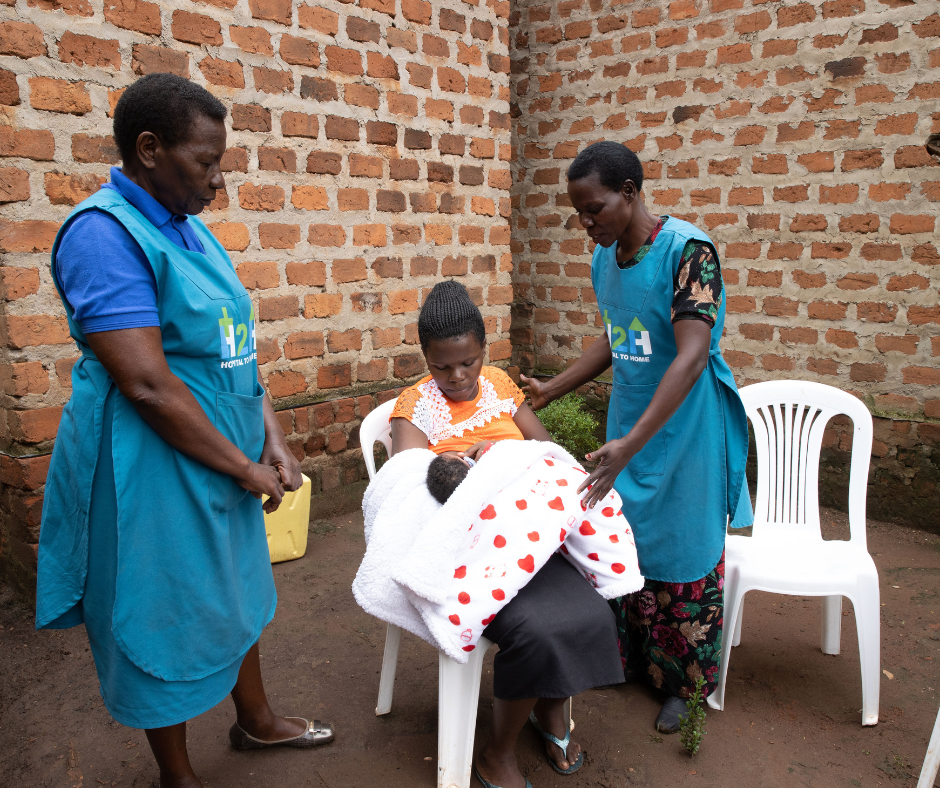
Our Hospital to Home (H2H) programme addresses this gap – supporting high-risk infants and their families in the hospital and when they return home. This work sits in the ‘follow-up and early intervention’ arm of AdaraNewborn.
While babies are still in hospital, H2H strengthens discharge processes, provides comprehensive parent education, strengthens lactation and breastfeeding practices, and promotes care that encourages healthy brain development.
After discharge, H2H provides regular at-home follow-up support to infants for six months. These follow-up visits are led by a network of community health workers (CHWs) who have received specialised training in the care of small and sick newborns – offering guidance and monitoring to keep babies safe.
Our Impact So Far
Between 2021 and 2024, across AdaraNewborn facilities we achieved:
- 32% reduction in stillbirths
- 58% reduction in maternal mortality
- 26% reduction in neonatal mortality
- 90% newborn survival in neonatal units
- 98% survival for infants discharged from our Hospital to Home programme
Now, we’re scaling this model across Uganda to save even more lives.

A Call to Action this World Prematurity Day
On World Prematurity Day, we celebrate the resilience of newborns, the dedication of health workers, and the power of partnership. But there’s more to do.
Every baby born too soon deserves the best start in life. By demonstrating the impact of AdaraNewborn in Uganda, we aim to inspire other countries to adapt and adopt the model. We aim not only to save lives but to build systems that deliver lasting, scalable impact.
Together we can change and save thousands of newborn lives across Uganda and beyond. Let’s build a future where every woman can give birth safely, every newborn receives the right care at the right time, and every child survives and thrives.